
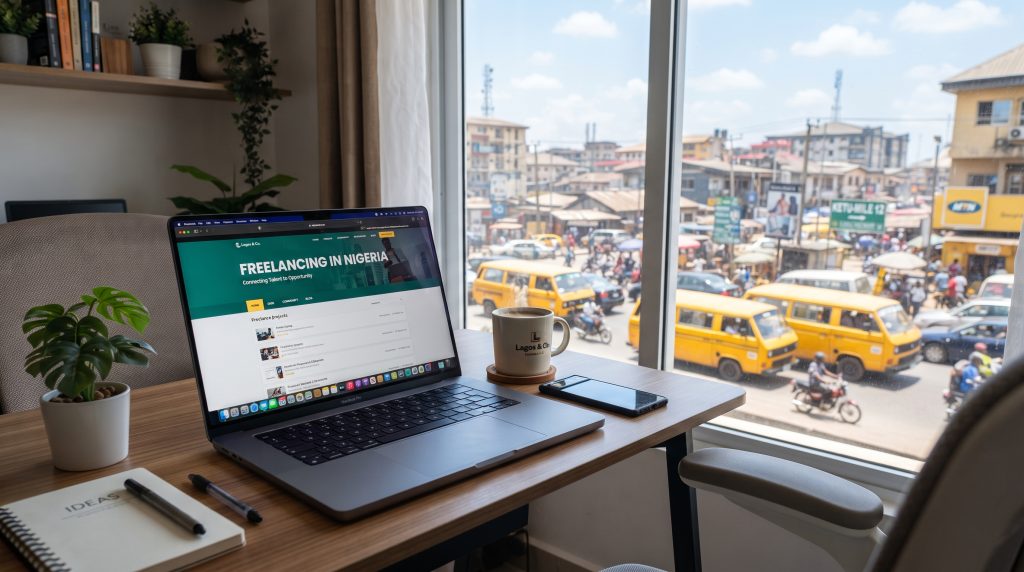
Freelancing in Nigeria has evolved from a side hustle into a sustainable, full-time career path for thousands of young Nigerians. With a laptop, a stable internet connection, and a specific skill set, you can participate in the global economy and earn in foreign currencies like USD, GBP, or EUR from the comfort of your home. However, transitioning from a traditional 9-to-5 to the gig economy requires more than just skill—it demands strategy, resilience, and a deep understanding of the local and global freelance landscape.
The gig economy is booming in Nigeria, driven by a youthful, tech-savvy population and an increasing demand for specialized skills across various industries.
Step-by-Step Guide on Freelancing in Nigeria
- Choose Your Niche (The Skill Factor)
The most common mistake beginners make is trying to offer everything to everyone. To succeed, you need to specialise. What can you do that people are willing to pay for? Some high-demand freelance niches currently popular in Nigeria include: Copywriting, technical writing, blog posting and scriptwriting, SEO (Search Engine Optimisation), social media management and email marketing, web development (WordPress, React, Python), mobile app development and UI/UX design, graphic design (Canva/Photoshop), video editing and digital illustration, virtual assistance, data entry, and project management. Choose a skill that aligns with your interest but, more importantly, addresses a pain point for business owners. Use platforms like LinkedIn Learning, Coursera, or even free resources on YouTube to bridge your knowledge gaps.
- Building Your Portfolio
Clients rarely hire based on a resume alone; they want to see what you have actually built. If you are new, you don’t need a fancy CV; you need “Proof of Work”. If you’re a writer, start a Medium blog or write sample articles for mock brands. If you are a designer, create a portfolio on Behance or Dribbble. Do one or two pro bono projects for small local businesses or friends to get testimonials and actual results to showcase. Always document the problem, the solution you provided, and the outcome. A client is much more likely to hire you if you show, “I increased this brand’s social media engagement by 30%,” rather than “I can manage social media.”
- Setting Up Your Payment Infrastructure
For many Nigerians, receiving payment from international clients is the biggest hurdle. Avoid depending on local bank accounts alone for international gigs. Services like Grey, Payoneer, or Wise allow you to hold foreign currency accounts. These platforms make it significantly easier to withdraw funds into your local Nigerian bank account at favourable exchange rates. Most traditional banks will charge exorbitant fees and offer poor exchange rates for incoming foreign wire transfers. Utilising digital banking apps is essential to maintaining your profit margins.
- Landing Your First Clients
There are two ways to get clients: Marketplaces and Outbound Prospecting. Freelance Marketplaces (Upwork, Fiverr) are great for beginners. They provide a safe space where the platform guarantees your payment (if you follow their rules). Spend time crafting a professional profile, setting clear service descriptions, and being patient during the first few weeks of bidding. Direct outreach (Cold Emailing/LinkedIn), however, is often more lucrative. Identify businesses on LinkedIn that could benefit from your service. Send personalised messages or emails—not generic “copy-paste” templates. Instead, explain exactly how your skill will solve one of their current business challenges.
- Navigating Nigerian Challenges
Being a freelancer in Nigeria comes with unique operational realities that you must proactively manage. The perennial power problem is the greatest enemy of the Nigerian freelancer. Investing in a robust inverter system, solar panels, or at the very least, a reliable “I-better-pass-my-neighbour” generator, is a necessary business cost. Do not rely on one source of data. Always have a primary (e.g., fibre-optic home internet) and a reliable secondary backup (e.g., MTN/Airtel MiFi or data bundles). A missed deadline due to poor internet is a quick way to lose a good client. It is usually tempting to charge very low fees to win a job, but this leads to burnout. Research the global industry standard for your skill level. Even if you start low, communicate your value and work toward increasing your rates every 3–6 months.
- Staying Consistent and Scaling
The transition to full-time freelancing takes time. Don’t rush to quit your job until you have built a steady stream of income or have at least 6 months of living expenses saved up. The world of technology changes fast. If you do not learn new tools, your skills will become obsolete. Since income in freelancing is often irregular, prioritise building an emergency fund. Treat your freelance income like a business, not a monthly salary. Pay your “business” (savings/re-investment) first. Freelancing can be lonely. Connect with local communities of digital nomads and freelancers. Sharing advice on navigating tax, power, or platform-specific bans is invaluable.
Final Thoughts
Freelancing in Nigeria is not a “get-rich-quick” scheme. It is a business venture that requires high levels of self-discipline, excellent communication, and an ability to consistently deliver quality results despite the infrastructural hurdles of our environment. Start small, be consistent with your outreach, and never underestimate the power of a strong portfolio. Your global audience is waiting—start today. If you’re looking for more freelance tips, insights, and career-building guides, visit our community and stay connected.