
The evolution of the African gig economy has always been tethered to the evolution of its payment infrastructure. The rise of stablecoins and highly specialised fintech has bridged payment barriers and broken down the payment wall put in place by freelance payment platforms like PayPal. There are now reliable and cost-effective freelancer payment methods for receiving global payments in Africa, ensuring your hard-earned money arrives safely and swiftly.
In the early 2020s, a freelancer in Accra or Nairobi could land a high-paying contract in London but lose sleep over whether their bank would freeze the wire transfer or if a third-party processor would want exorbitant fees for using their account. These payment barriers acted as a ceiling on the growth of the continent’s digital talent.
By 2026, we have entered a new era of financial fluidity. The integration of blockchain technology and the expansion of pan-African fintech firms have created multiple freelancer payment methods that bypass the outdated correspondent banking system. Today, getting paid is no longer about hoping for the best; it is about choosing the right stack of tools that balance speed, cost, and local accessibility.
Solving Payment Barriers: The Stablecoin Revolution
Perhaps the most significant shift towards solving the payment barriers faced by many African freelancers in recent years is the mainstream adoption of stablecoins like USDC and USDT for freelance settlements. For many, this has become the preferred way of using stablecoins to get paid without PayPal. Stablecoins offer the stability of the US Dollar with the speed of a blockchain transaction, making them ideal for cross-border work.
Freelancers are increasingly using decentralised and non-custodial wallets to receive these payments. This method removes the risk of intermediary bank fees, which can often strip $30 to $50 from a single wire transfer. Once the stablecoins land in a digital wallet, they can be swapped for local currency via peer-to-peer (P2P) platforms or integrated off-ramps that link directly to mobile money accounts like M-Pesa or MTN MoMo. This provides a level of financial autonomy that was simply unavailable five years ago.
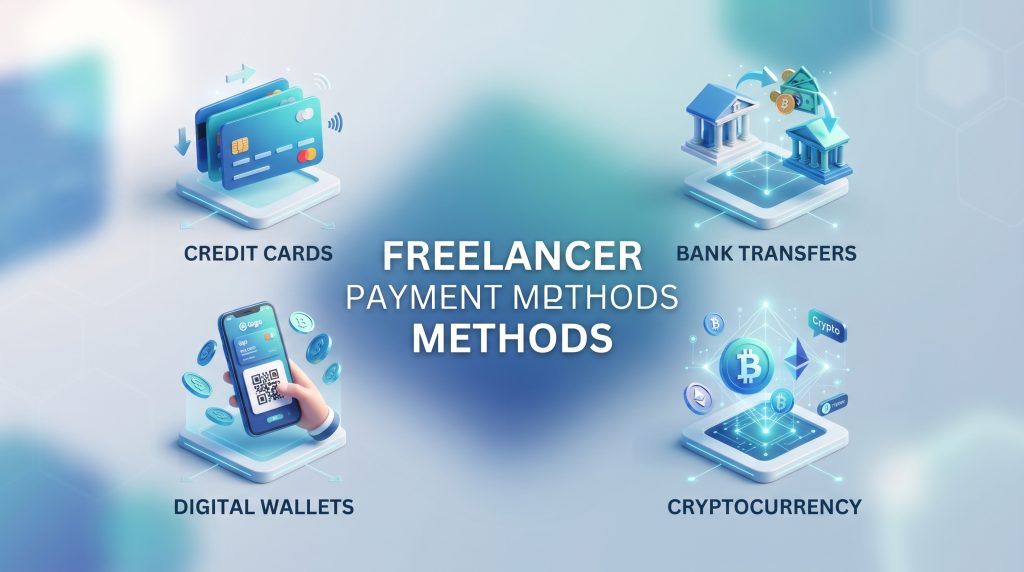
African Fintech Giants as New Bridge to Global Markets
While crypto offers a decentralised path, specialised fintech companies have built highly efficient regulated bridges that connect African bank accounts to the global financial system. These platforms provide freelancers with virtual USD, GBP, and EUR accounts, allowing them to be paid as if they were residents in those countries. This signifies a great success in bridging the existing payment barriers in global finance.
These top fintech platforms for global payments have become essential infrastructure for the modern creative. They offer competitive exchange rates that are significantly better than traditional commercial banks. Furthermore, many of these platforms now offer instant withdrawals to local bank accounts or mobile wallets, ensuring that freelancers have access to their cash exactly when they need it. This speed is a vital innovation for those managing tight cash flows and infrastructure costs.
Traditional Banks and Their Pivot to Digital
Traditional African banks are not sitting idly by as fintechs take over. In 2026, we are seeing more freelancer-friendly banking products that offer specialised domiciliary accounts with lower maintenance fees. Some leading banks have even partnered with global platforms to allow for direct, one-click withdrawals from freelance marketplaces.
However, traditional banking still comes with the highest level of scrutiny. As governments seek to formalise the digital economy, these institutions are often the first point of contact for tax compliance. Understanding the evolving landscape of freelancer taxes in Africa is crucial for those using traditional banking routes, as it ensures you remain compliant while accessing formal credit and financial services.
P2P Marketplaces
Peer-to-Peer (P2P) marketplaces remain a cornerstone of African freelancer payment methods, particularly in regions with stricter currency controls. These platforms allow freelancers to sell their digital assets (like Bitcoin or stablecoins) directly to other individuals in exchange for local currency.
The benefit of P2P is that the market dictates the exchange rate, often providing a black market or parallel market premium that is higher than the official government rate. These platforms added significant security layers, such as AI-driven escrow services and identity verification, to protect both parties. For a freelancer, P2P is often the fastest way to turn digital earnings into local spending power.
Mobile Money Integration
One of the most significant freelancer payment methods in Africa is mobile money. In 2026, the integration between global freelance platforms and mobile wallets has reached a point of seamlessness. Whether you are getting paid via a fintech bridge or a crypto off-ramp, the ultimate goal for many is to have that money land in their mobile phone.
This allows someone in a rural area with a basic smartphone to participate in the global economy. Mobile money providers have also expanded their services to include micro-insurance, savings products, and even solar power financing, creating a holistic ecosystem where your freelance income can directly improve your quality of life and business resilience.
Final Thoughts
As freelancer payment methods become more diverse, the regulatory environment is also shifting. Governments across Africa are increasingly looking at the gig economy as a source of revenue and economic data. While this may seem like an added cost, it provides a level of legitimacy that can help freelancers access car loans, mortgages, and business grants.
Now, there is no one-size-fits-all payment solution. The most successful freelancers use a stack of methods to optimise for different scenarios. You might use a fintech virtual account for long-term retainers, a crypto wallet for one-off international projects, and mobile money for your daily local expenses.
The great news is that the barriers that once held back African freelancers are crumbling. We are no longer defined by where we are, but by the value we provide. By mastering these payment tools, you ensure that your business is not just globally competitive but also financially resilient.