In the early days of freelancing, a solid profile on a third-party platform is often enough. But as things changed, the conversation has shifted. African freelancers aren’t just looking for random gigs anymore; we are instead building careers. For African freelancers aiming to bridge the gap between local talent and global demand, the question of whether or not to have a freelancer need websites has become less about aesthetics and more about insurance.
With social media platforms shifting their algorithms daily and freelance marketplaces becoming increasingly saturated, the question right now isn’t just about where to find work, but where you can be found online. There’s a specific kind of anxiety that comes with building a business on a platform you don’t own. You wake up, check your LinkedIn or Instagram, and realize the reach and engagement on your latest post is a fraction of what it was last month. Or worse, you hear a rumor that a major freelance marketplace is changing its fee structure again, or that your gig isn’t ranking on Fiverr.
Setting up a website takes time, money, and a bit of technical headache. It’s tempting to think that a strong online presence on social media is enough to get the next big deal but is it?
The Risk of Platform Dependency
The biggest risk any freelancer faces in 2026 is platform dependency. Think of your social media profiles like LinkedIn, X, or Instagram as rented apartments. You can decorate them, you can host guests there, and you can build a great life within their walls. But at the end of the day, you don’t own the building. The platform can change the rules, raise fees/ad costs, or even evict you without much notice.
When you rely solely on social media for your online presence, you are at the mercy of an algorithm that doesn’t care about your mortgage or your skill level. A freelancer website, by contrast, is a piece of digital real estate that you own. It is the only place on the internet where you have 100% control over the narrative, the design, and the user experience.
When you send a client link to your website instead of a generic social media link, you are telling them that you have invested in your infrastructure. You are not just testing the waters of freelancing; you’ve built a home base. This stability is the foundation of a premium brand. It allows you to step out of the bidding wars on marketplaces and into a space where you set the terms of engagement.
Building Portfolios Site
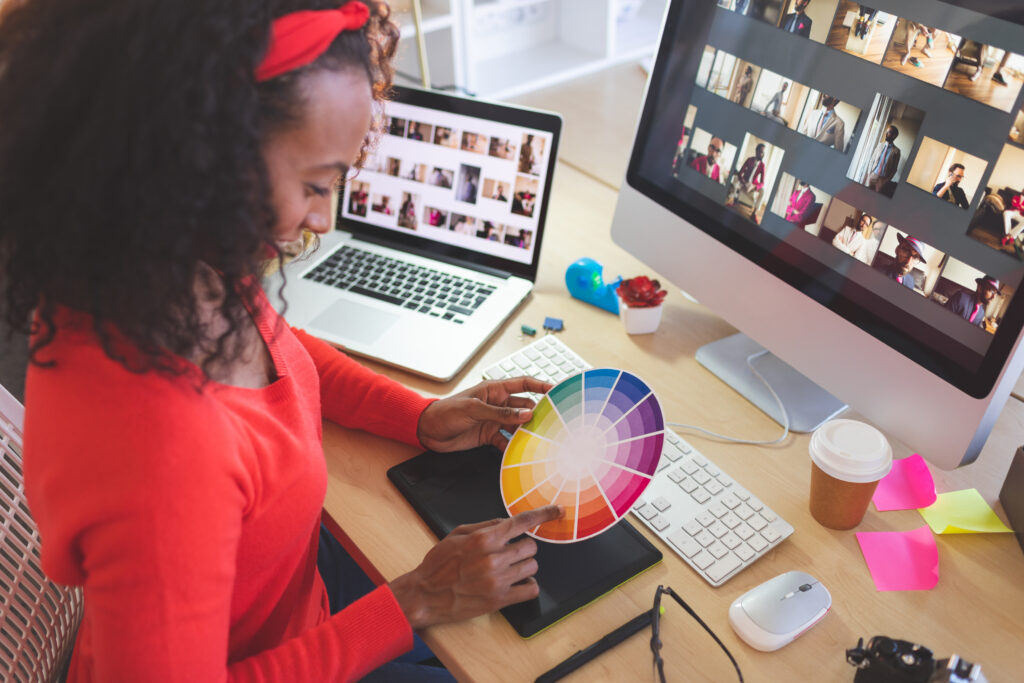
We’ve all sent the please find attached email with five different PDF samples. It’s clunky, it’s dated, and in this new age, it’s simply not enough. A dedicated portfolio site does more than just host your work; it tells the story of your process. A PDF shows a client what you did; a website shows them how you think.
The modern client is looking for more than a set of hands; they are looking for a brain. By using your website to host detailed case studies, you can walk a potential lead through the entire journey of a project. You can explain the challenge the client faced, the strategy you developed to solve it, and most importantly the results you achieved.
Freelancers need websites because they also act as a 24/7 salesperson. While you are sleeping, a potential client in a different time zone can browse your work, read your testimonials, and see your pricing packages. By the time they hit the “Contact” button, they are already 80% convinced. This process is essential for scaling your business. Instead of spending hours in the pitching phase, your freelancer website handles the heavy lifting, ensuring that the leads hitting your inbox are already aligned with your style and your value.
Branding, Professionalism, and High Rate
There is a psychological shift that happens when a freelancer moves their business to a custom domain. It affects both the client and the freelancer. For the client, a custom email address and a polished site tells them that they are dealing with a professional entity, not someone looking for a hobby. This perception from clients can directly impact the rates you can charge. It is much harder for a client to lowball a freelancer who has a high-end branding presence than one who is operating out of a Gmail account and a basic LinkedIn bio.
For the freelancer, the website serves as a constant reminder of their own value. The process of building a site helps you to define your niche, articulate your unique selling proposition, and curate your best work. It is an exercise in self-definition. In the competitive world of African freelance writing or digital marketing, having a clear brand identity is what keeps you from being commoditized.
Your website is also where you can integrate the important parts of your business that social media can’t handle. You can host your own booking system, integrate secure payment gateways, and even run a blog that establishes you as a thought leader in your field.
Final Thoughts
So, do you African freelancers need websites? If your goal is to make a few extra dollars on the side, perhaps not. You can probably get by on referrals and social media. But if your goal is to build a freelance business brand that can survive the next five years of technological and economic shifts, the answer is a resounding yes.A freelancer website is an investment in your future self. It is a shield against algorithm changes, a bridge to international clients, and the ultimate platform for your personal branding. Don’t wait until you feel ready or until your portfolio is perfect. Start with a simple one-page site and let it grow with your business. Get more freelancing tips here.