 Arinola Afuape
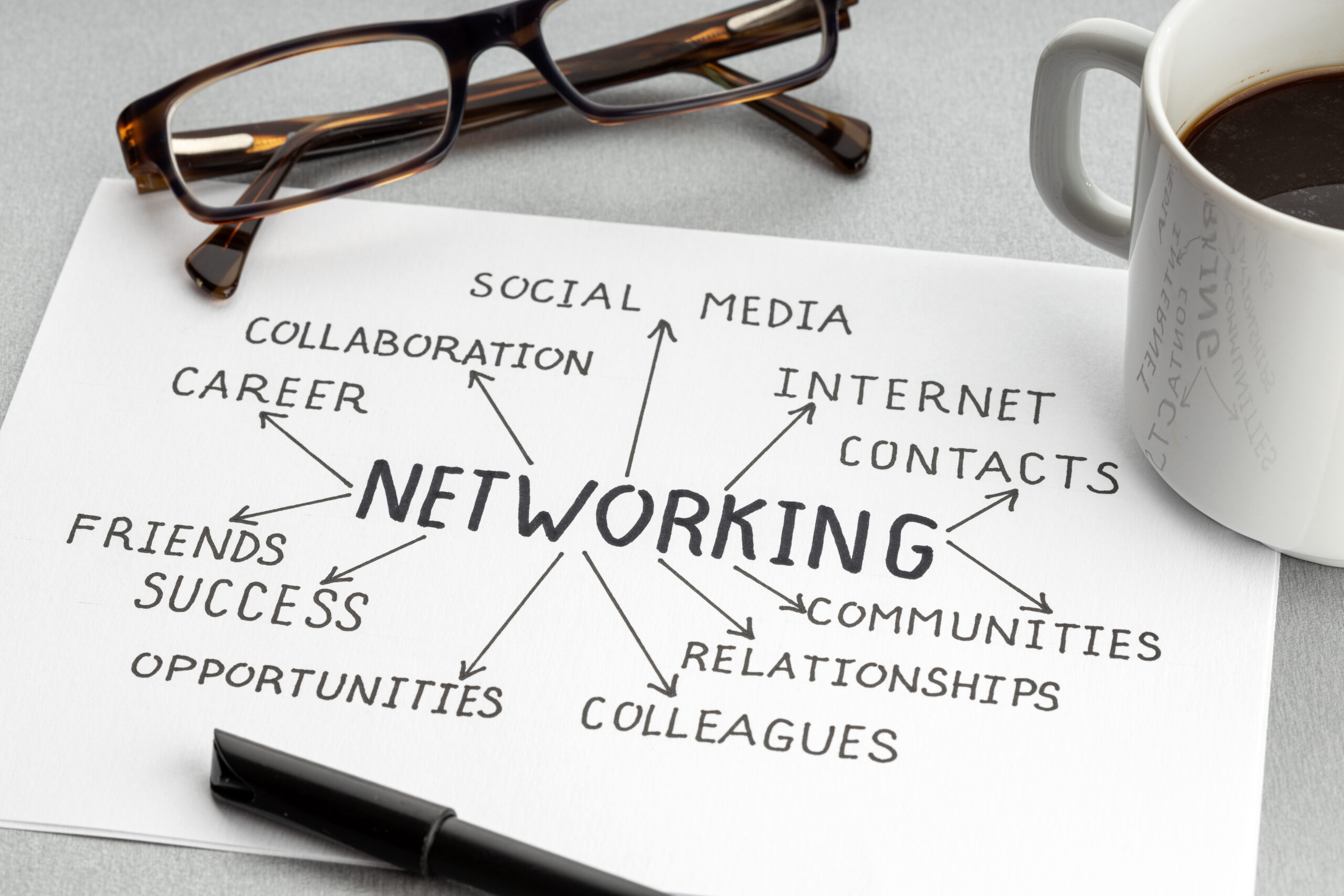
Lots of African freelancers can’t grow because they don’t have enough visibility, not because they don’t have enough talent. In a market where who you know is just as important as what you know and can do, freelancer networking is the link between chasing low-paying jobs and getting high-value partnerships.
Freelancer networking is no less important than networking in your day-to-day life. You can’t simply write yourself off from networking, even as someone who works fully remotely. This guide shows you how to make real professional connections all over the world and on LinkedIn, as well as in your own community. Adding this to your 2026 freelance goal will elevate your solo business to be a connected powerhouse.
Importance of Freelancer Networking
One of the biggest lies ever told about freelancing is that it’s a solo journey. We picture the successful freelancer as a lone wolf, working in a coffee shop in Nairobi or a home office in Lagos, completely alone. But if you look at the highest-paid African freelancers in recent years, you’ll see a different pattern. They aren’t alone; they are part of a complex web of relationships.
Business has always been about relationships in Africa and everywhere in the world. Trust is the most important thing, whether you’re in a high-rise boardroom or an informal market. For freelancers, networking isn’t just about finding work. It’s also about building a safety net, a way to get referrals, and a way to keep learning and growing in the field. As the world economy gets more competitive, your network is often the only thing that sets you apart from the noise of the open market. Never play down on freelancer networking as a freelancer looking to scale up and earn more.
Methods of Freelancer Networking
To make the best of freelancer networking and get these professional connections, you need to change how you think. It’s not about getting business cards or sending out too many messages on social media. It’s about being a valuable and active part of a global conversation. As an African freelancer who is interested in freelancer networking, this is how you can smartly build your network.
1. LinkedIn
LinkedIn is no longer just a place to post your resume; it is the best way for African freelancers to connect with other people. But most people don’t use it correctly. They connect with everyone, but they don’t engage with anyone. You need to go from being a spectator to a contributor if you want to build a network that really works.
Create content and optimize your LinkedIn profile. In addition, your profile should be a page that helps people with a problem. In optimizing your profile, instead of a general title like “Freelance Writer,” use one that fits your niche, like “Using data-driven storytelling to help African tech startups grow.” This makes it simple for the right people to find you. But once they find you, your content is what keeps them coming back.
Talk about how you do things. Discuss the specific trends you see in the Nigerian fintech space or the unique problems that come with freelancing from your part in Africa. When you share your knowledge with others, you’re not just posting; you’re showing potential partners how valuable you are. The freelancers who get the most referrals in 2026 are the ones who are always helpful in public. Spend 90% of your time commenting on other people’s posts and 10% of your time writing your own. The quickest way to get on the radar of industry leaders, project managers, and other freelancers is to interact with them in a meaningful way, like by adding a thoughtful comment to their post.
2. Niche Communities
LinkedIn is great for reaching people all over the world, but the real magic of freelancer networking happens in smaller, more personal settings. The rise of specialised groups on WhatsApp, Telegram, and Slack has changed the game all over Africa. There are now groups for almost every niche, like “UI/UX Designers in Kenya,” “Python Devs in South Africa,” or “African Content Strategists.” The best “hidden” jobs are in these groups. When a client asks a freelancer for a recommendation because they have too much work, the freelancer recommends these private groups.
If you only show up when you need something, you’ll be kicked out or ignored the fastest in these groups. Be the one who answers questions. Tell us about a tool you just found. Tag a friend who would be perfect for a job posting that isn’t right for you. People will think of you first when a big chance comes up if you help them win.
3. Physical networking
We live in a digital world, but nothing beats talking to someone in person. Yaba in Lagos, the Kilimani district in Nairobi, and the Cape Town Fringe are all examples of Africa’s tech hubs. These places are the physical heartbeats of the freelance economy. If you can afford it, spending even two days a week at a busy coworking space can make a big difference in your professional connections. The person next to you at the desk could be a startup founder looking for a writer or a developer who needs a designer for their next project.
Events and other conferences are methods of physical freelancer networking. Don’t only go to events for freelancers. Attend the events that your clients go to. If you write about money, you should go to banking conferences. If you’re a developer, go to startup pitch nights. It’s good to network with your peers for support, but networking with your potential clients is what will help your business grow.
4. The Magic of Referral
Your current clients are the most important part of freelancer networking that people forget about. The best way to sell is to have a happy customer. In Africa, word-of-mouth is still the most trusted way to market something. Don’t just send the bill and disappear after you’ve finished a project. Ask a simple question: Most clients are willing to help, but they need to be asked.
Instead of seeing your clients as bosses, try to see them as partners. When you care about their long-term success, they stop seeing you as a vendor and start seeing you as an asset. Assets are protected, talked about, and suggested.
5. Connections by Identity
One big thing that will happen to African freelancers in 2026 is that they will fully embrace their local culture. Freelancers used to think they had to hide where they lived to get work from people all over the world. People all over the world are looking to Africa for new ideas and ways of doing things. A lot of Africans who live in the US, UK, or Europe are looking for reliable workers back home to help them with their projects. Networking with people from these diaspora groups on sites like LinkedIn or through professional groups can lead to international contracts that pay in hard currency.
6. Volunteering
Purposeful volunteering is sometimes the best way to get into a room where you wouldn’t usually be invited to. Offer to help plan a tech conference in your area or run a webinar for a professional group. This lets you talk to speakers and organisers directly, which is something that most people in their careers are already doing.
Conclusion
The key is to be consistent. As a freelancer in Africa, you don’t just build a professional network once; you do it every day. It’s the five minutes you spend leaving a comment on a post, the coffee you have with another creative person, and the extra work you do to help a peer. Begin with little things. Get in touch with one person today, and join freelancer communities. In networking, the smallest seeds can lead to the biggest chances.


 admin
admin