 Olajumoke Okunade
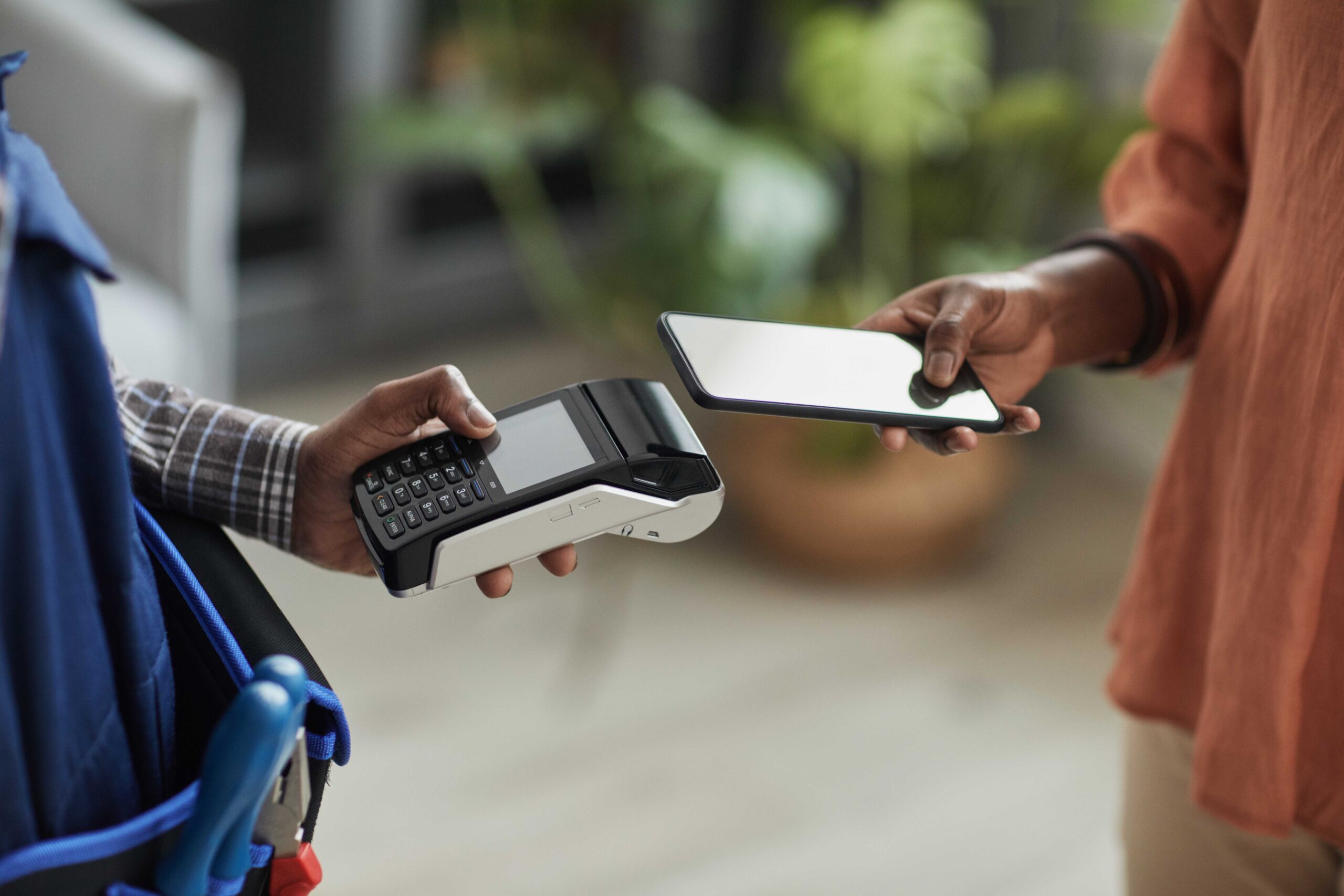
Finding reliable payment platforms was one of the biggest challenges facing African freelancers in 2025. While global freelancing opportunities continue to grow, getting paid across borders is still complicated by high transaction fees, delayed settlements, currency conversion losses, and limited platform availability in some African countries. For many freelancers, the wrong payment platform can mean lost income, cash-flow problems, and strained client relationships, no matter how good their work is.
In 2026, the expectations around payments have changed. Clients want fast transactions, while freelancers need platforms that offer transparency, flexibility, and easy access to funds. Beyond simply receiving money, today’s best platforms allow freelancers to hold multiple currencies, withdraw directly to local bank accounts, and manage payments from both African and international clients without unnecessary friction.
This article highlights the best payment platforms for African freelancers in 2026, focusing on five options that stand out for reliability, accessibility, fees, and real-world usability. Each platform on this list was selected based on how well it addresses the unique payment challenges African freelancers face, helping them get paid on time, protect their earnings, and scale their freelance businesses with confidence.
Best Payment Platforms for African Freelancers in 2026
Here are some of the best payment platforms African Freelancers can consider in 2026.
1. Payoneer
Payoneer has become one of the most widely used payment platforms among African freelancers, largely because it solves one major problem: receiving international payments as if you had a local bank account abroad. In 2026, Payoneer will remain a strong option for freelancers working with clients in the US, UK, Europe, and Asia who prefer paying via bank transfer rather than cards or mobile money.
One of Payoneer’s biggest advantages is its multi-currency receiving accounts. Freelancers can get USD, GBP, EUR, and other currency account details, making it easier for international clients to pay without friction. Funds received can then be withdrawn directly to local bank accounts in many African countries, often within a few business days.
Payoneer also integrates without any problems with major freelance marketplaces such as Upwork and Fiverr, as well as with agencies and remote employers. This makes it especially useful for freelancers who work across multiple platforms or manage recurring payments from long-term clients. The platform’s global credibility adds another layer of trust, which can be important when dealing with new or high-value clients.
That said, Payoneer is not without drawbacks. Currency conversion fees and card-related charges can add up, and account approvals can sometimes be strict. However, for African freelancers prioritising access to international clients, predictable payouts, and professional payment infrastructure, Payoneer remains one of the most reliable payment platforms in 2026.
Best for: African freelancers working with international clients, global marketplaces, and remote companies that pay via bank transfer..
2. Wise (formerly TransferWise)
Wise has grown into one of the most trusted payment platforms for African freelancers who work directly with international clients and want to avoid excessive fees. In 2025, it stands out for its transparency, especially around exchange rates and charges, which is a major concern for freelancers earning in foreign currencies.
One of Wise’s strongest features is its multi-currency account, which allows freelancers to receive, hold, and convert money in several major currencies at real exchange rates. This means African freelancers can get paid in USD, GBP, or EUR and decide when to convert their earnings, helping them manage currency fluctuations more strategically. Transfers are also fast, with many payments arriving within hours or a few business days.

Wise is particularly attractive for freelancers who invoice clients directly, as it provides local account details in supported currencies. This makes the payment process easier for foreign clients, who can pay as if they were making a domestic transfer. For freelancers, this reduces friction, delays, and the back-and-forth often associated with international payments.
However, Wise is not fully available in every African country, and some features depend on location. Despite these limitations, for freelancers who value low fees, fair exchange rates, and straightforward international payments, Wise remains one of the best payment platforms to consider in 2026.
Best for: African freelancers paid directly by international clients who want low fees, fast transfers, and transparent FX rates.
3. PayPal
PayPal remains one of the most recognisable payment platforms in the world, and in 2026, it will continue to play a role in how African freelancers get paid, especially when working with international clients who prefer familiar and trusted systems. Its biggest strength is global acceptance. Many clients already have PayPal accounts, which makes onboarding and payment setup quick and stress-free.
For African freelancers, PayPal works well for receiving one-off payments, deposits, and smaller freelance jobs. The platform also offers simple invoicing and payment request tools, making it easy to bill clients without complicated setups. This can be particularly useful when working with startups, individual founders, or first-time clients who want a straightforward way to pay.
However, PayPal’s limitations are well known. Fees are higher compared to many alternatives, and currency conversion rates are not always favourable. In some African countries, withdrawal options are restricted, which can delay access to funds or require additional workarounds. These issues mean PayPal is often best used as a secondary option rather than a primary payment channel.
Despite these challenges, PayPal’s trust factor keeps it relevant. For freelancers who prioritise client convenience and global recognition, having PayPal as part of their payment stack can still be beneficial in 2026.
Best for: African freelancers working with small international clients, startups, and short-term projects where ease of payment matters most.

4. Flutterwave
Flutterwave stands out as one of the most important African-built payment platforms for freelancers in 2026, particularly those serving clients across Africa or working with pan-African businesses. Designed with local payment realities in mind, Flutterwave helps freelancers accept payments without the friction often experienced on global-only platforms.
One of Flutterwave’s key strengths is its wide range of payment options. Freelancers can receive payments via cards, bank transfers, and mobile money from multiple African countries, as well as from international clients. This flexibility makes it easier to work with clients who may not use traditional international payment methods but still need a reliable way to pay.
Flutterwave also supports multiple currencies and offers relatively fast settlements to local bank accounts. For African freelancers who work with startups, NGOs, and regional companies, this can significantly improve cash flow and reduce payment delays. Its growing reputation across the continent has also increased trust among African businesses and clients.
On the downside, Flutterwave is less commonly used by clients outside Africa, which may limit its usefulness for freelancers focused mainly on the US or European markets. Exchange rates and fees can also vary depending on transaction type. Still, for freelancers targeting African and pan-African clients, Flutterwave remains one of the most practical payment platforms in 2025.
Best for: African freelancers working with local, regional, and pan-African clients who need flexible payment options.
5. Paystack
Paystack rounds out this list as one of the most reliable payment platforms for African freelancers, especially those working with businesses and startups on the continent. In 2026, Paystack will continue to be a go-to option for accepting structured, professional payments from African clients, particularly in Nigeria and other supported markets.
One of Paystack’s biggest advantages is its ease of use. Freelancers can quickly generate payment links, accept card and bank transfer payments, and receive funds directly into their local bank accounts. This makes it ideal for recurring invoices, retainers, and project-based work with African companies that prefer bank transfers or cards over international payment systems.
Paystack’s strong reputation and backing have made it a trusted option for businesses, which helps reduce payment friction and follow-ups. It also works well for freelancers who operate as registered businesses or collaborate with startups that require clear payment records and reliable transaction histories.
However, Paystack is best suited for Africa-focused work. It is not as widely accepted by clients outside the continent, and currency options are more limited compared to global platforms. Even so, for freelancers serving African markets, Paystack remains one of the most dependable payment platforms available in 2025.
Best for: African freelancers working with African startups, SMEs, and organizations that prefer bank transfers and card payments.
Final Thoughts
Choosing the right payment platforms can make a significant difference in how smoothly your freelance business runs in 2025. For African freelancers, the goal is not just to get paid, but to get paid on time, with minimal fees, fair exchange rates, and reliable access to funds. As this list shows, no single platform works perfectly for every freelancer or every client type.
The most practical approach is often to use a combination of platforms. Global options like Payoneer, Wise, and PayPal work well for international clients, while African-focused platforms such as Flutterwave and Paystack are better suited for local and regional payments.
As freelancing continues to grow across Africa, understanding and choosing the right payment platforms will remain a key part of building a sustainable freelance career. For more practical guides tailored to African freelancers, explore related articles on AfricanFreelancers.com and stay informed on tools that help you work smarter and earn better.

 admin
admin

 pejuabioye