 Olajumoke Okunade
You think invoicing for freelancers isn’t important? You should ask Chinedu. When Chinedu, a freelance web developer based in Abuja, landed his first international client, he was thrilled. The project went smoothly, and the client was happy. But weeks after delivery, there was still no payment. Why? He hadn’t sent a proper invoice. That experience taught him a valuable lesson: invoicing for freelancers isn’t something to overlook. It’s a key part of getting paid and being taken seriously.
For many African freelancers, the struggle isn’t just finding clients, it’s creating a system that ensures consistent payment. In this article, we’ll explore five practical invoicing tips to help you stay professional, protect your work, and get paid on time, whether you’re working with clients across the street or the globe.
5 Invoicing Tips For African Freelancers
Now, what are those invoicing tips that you need to pay attention to as an African freelancer? They are;
Tip 1: Use a Professional Invoice Template
Your invoice is often the last thing a client sees before paying you, so make it count. A well-designed invoice reinforces your professionalism and reduces confusion. It should be clear, clean, and branded (if possible), with all the necessary information easily visible.
Here’s what every invoice should include:
- Your full name or business name.
- Your contact information.
- Client’s name and contact details.
- Invoice number and date.
- Description of the service provided.
- Total amount due.
- Payment deadline (e.g., “Due within 7 days”).
- Accepted payment methods (e.g., bank transfer, Payoneer, mobile money).
If you’re just starting, don’t worry. You don’t need expensive software. Free tools like Canva, Wave, Zoho Invoice, or Invoice Generator offer easy-to-use templates. Simply choose one that suits your brand and update it for each project.
And remember, a professional-looking invoice isn’t about being fancy, it’s about being clear, organised, and easy to pay.
Tip 2: Set Clear Payment Terms
One of the biggest mistakes freelancers make, especially when just starting, is leaving payment terms vague. This often leads to late payments or, worse, not getting paid at all. To avoid misunderstandings, always include clear payment terms on your invoice and in your initial agreement with the client.
Your payment terms should answer questions like:
- When is payment due? (e.g., “Net 7” means payment is due within 7 days)
- Are there any late fees? (e.g., 5% added for payments more than 7 days late)
- Will you require an upfront deposit? (Many freelancers charge 30%–50% before starting)
For African freelancers working with international clients, it’s especially important to be firm and clear. A client in Canada might be used to “Net 30” (payment within 30 days), while you might prefer “Net 7” for better cash flow. Communicate your terms before starting the project and include them on the invoice itself.
Setting expectations early builds trust, protects your time, and makes it easier to follow up if payment is delayed.
Tip 3: Offer Local and Global Payment Options
One of the primary reasons payments are delayed or lost altogether is that clients lack a convenient way to pay. As a freelancer in Africa, you need to make it as easy as possible for both local and international clients to send your money.

For local clients, options such as direct bank transfers or mobile money platforms (e.g., M-Pesa in Kenya, MoMo in Ghana, OPay, or PalmPay in Nigeria) are often the most reliable.
For international clients, consider:
- Payoneer: Widely used, especially for USD and EUR payments.
- Wise (formerly TransferWise): Good for converting and receiving money in your local currency at competitive rates.
- Skrill or WorldRemit: Alternative options depending on your country.
- Cryptocurrency (where legal and with trusted clients): Some African freelancers are exploring this for faster settlements.
Always include your preferred payment method and account details clearly on your invoice. Also, let clients know in advance if you’re charging a fee to cover international transfer charges, if applicable.
Providing your clients with multiple payment options reduces friction, increases your chances of getting paid promptly, and demonstrates that you’re prepared to work across borders.
Tip 4: Send Invoices Promptly and Track Them
One of the most overlooked parts of invoicing for freelancers is timing. You might have delivered excellent work, but if you delay sending your invoice, you’re also delaying your payment. Invoicing isn’t just about what you send; it’s about when and how you send it.
As a best practice, send your invoice immediately after completing the project or according to the agreed milestone. This demonstrates professionalism and ensures the payment process proceeds smoothly.
In addition, always track your invoices. Don’t rely on memory. Use a spreadsheet, Notion, or free tools like Wave or Moxie to log:
- Invoice numbers..
- Date sent.
- Amount.
- Payment status (Pending, Paid, Overdue).
These tools can also help automate reminders, so if a client misses a payment deadline, they receive a polite nudge without you having to chase them manually.
Staying consistent with your invoicing routine helps reduce late payments, improves your cash flow, and gives you peace of mind knowing your work is accounted for.
Tip 5: Keep Records for Tax and Financial Planning
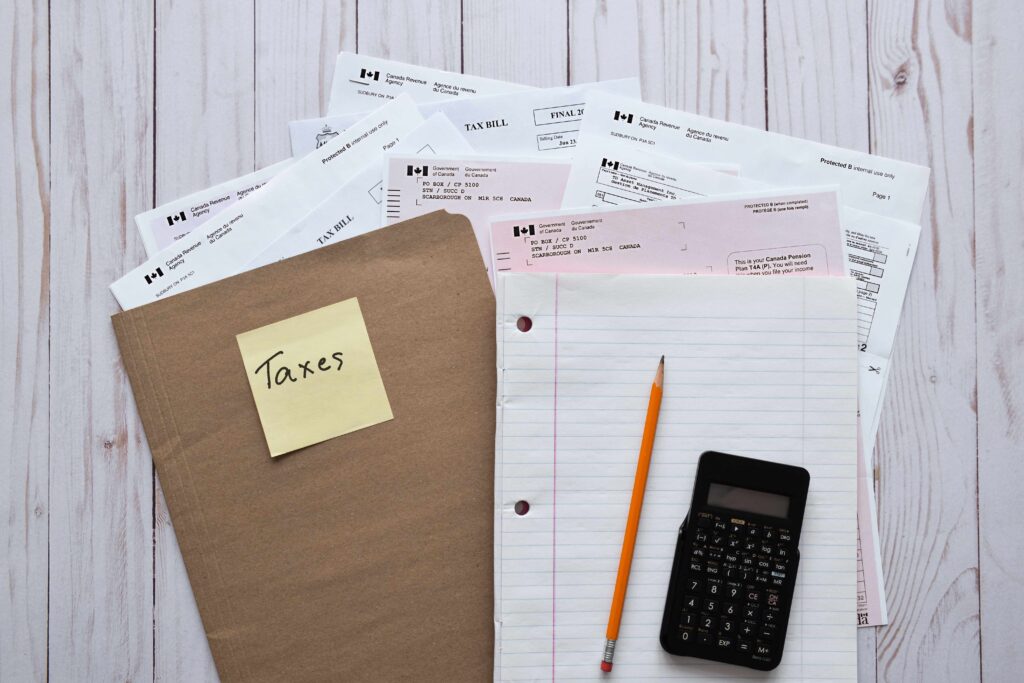
A significant aspect of invoicing for freelancers, especially in Africa, where financial systems can be unpredictable, is learning to treat your freelance work as a real business. That means keeping proper records of all the invoices you send and the payments you receive.
Why does this matter?
- For taxes: If your country requires freelancers to pay taxes (like in Nigeria, Kenya, or South Africa), you’ll need accurate income records.
- For budgeting: Knowing how much you’ve earned helps you plan for slow months, set goals, and track growth.
- For funding or visa applications: Some opportunities may require proof of income, and organised invoicing records make it easy to show.
Use simple tools like Google Sheets or Excel to log invoice dates, amounts, and payment statuses. If you want to automate it, platforms like QuickBooks, Zoho, or even Notion templates for freelancers can help you stay on top of your finances.
Keeping clean, detailed records helps you think long-term and positions you as a serious professional, not just a hustler trying to get paid.
Conclusion
Invoicing may not be the most glamorous part of freelancing, but it’s one of the most important. From using professional templates to offering the right payment options and keeping solid records, mastering invoicing for freelancers can help you get paid faster, avoid awkward conversations, and build long-term client trust.
As an African freelancer, your talent deserves to be matched with systems that support your success. Don’t wait until you face a payment issue. Implement these invoicing tips now and safeguard the business you’re building.
Want more tips on freelancing smarter, not harder? This article for invoicing for freelancers isn’t the only thing you need to know about; explore more articles on AfricanFreelancers.com and join a growing community of freelancers across the continent, building sustainable careers on their terms.


 admin
admin